For most of the 2010s, the “main feed” was the center of social media. You opened the app, scrolled, reacted, and repeated. In 2026, that default is breaking.
Not because people stopped using social platforms - but because many users are increasingly tired of how platforms deliver content: endless optimization, constant persuasion, and a feeling that you’re not choosing what you see… it’s choosing you.
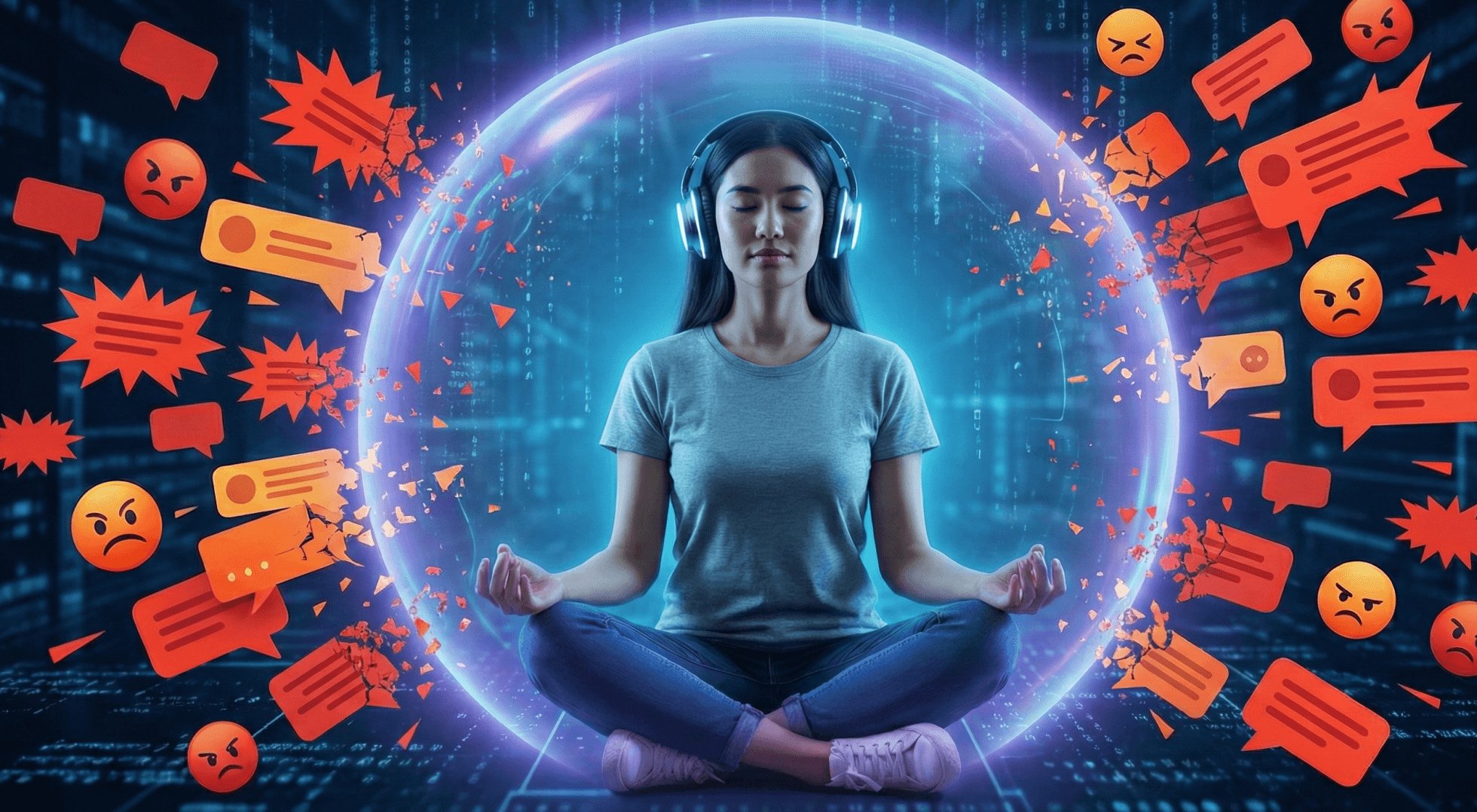
Call it algorithm fatigue, algorithmic burnout, feed fatigue, or “I can’t do this anymore.” The label varies, but the behavior shift is visible: people are learning to consume content around the feed, instead of through it.
That shift shows up in small decisions: visiting profiles directly, relying on search, checking a following-only tab, watching stories or short videos without liking, and moving the “real” conversation into private chats. It’s a quiet rebellion: still consuming, but minimizing algorithmic influence.
What exactly are people tired of?
The modern feed is not a neutral timeline. It’s a high-frequency prediction engine designed to maximize retention. It selects content based on what keeps you scrolling: watch time, replays, pauses, rage clicks, and countless micro-signals.
When this works, it feels like magic. When it fails, it feels like:
- A sea of sameness: recycled takes, repeated formats, endless “identical but different” clips.
- Persuasion fatigue: ads that look like posts, posts that behave like ads, and constant “optimized” language.
- Loss of agency: the sense that the feed is shaping your mood and attention more than serving your intent.
- Emotional noise: outrage cycles, trend churn, and the feeling you’re always behind.
The 2026 paradox: people use social media a lot - but trust it less
Usage can remain high while emotional trust declines. A platform can be habit-forming and still feel psychologically “expensive.” That’s one reason the shift isn’t simply “people quitting.” It’s “people rerouting.”
When users don’t fully trust what the feed is doing to them, they start choosing consumption patterns that reduce the feed’s power.
What does “watching around the feed” look like in practice?
This is not one behavior - it’s a bundle of tactics. Different people do different combinations, but the direction is consistent: more intent, less algorithmic steering.
1) Profile-first consumption (the “manual mode”)
Instead of letting the feed decide what you see, you decide who you check. Users open profiles directly - creators, friends, competitors, brands - and browse recent posts from there.
This reduces randomness, reduces outrage bait, and turns “scrolling” into something closer to reading your own curated list.
2) Following-only and chronological views
Even when platforms keep algorithmic feeds as default, many users hunt for alternatives: “Following” tabs, chronological options, and non-profiled views.
That matters because it signals that “chronological or non-profiled” isn’t just nostalgia - it’s becoming a legitimacy requirement.
3) Search-first behavior (social as a search engine)
More users treat platforms like search engines: they search a topic, open a handful of results, skim comments, and leave - without ever scrolling the main feed.
This is especially common for: product research, local recommendations, tutorials, and “what’s the vibe?” questions.
4) Low-signal consumption (watching without training the algorithm)
People are learning that engagement is a kind of “vote.” So they consume with fewer signals:
- watching without liking
- saving privately instead of commenting
- sending to a friend instead of resharing publicly
- muting certain topics and creators aggressively
The goal is simple: don’t reward the machine for content you don’t want more of.
5) Private sharing becomes the real distribution layer
A lot of “influence” no longer happens in public. The feed is where people discover; private channels are where people decide.
This is why messaging-heavy behavior keeps rising in importance: a clip, screenshot, or link sent in a group chat can matter more than a post with thousands of likes.
6) Communities over feeds
When users get tired of “infinite scroll,” they often shift to spaces that feel more human:
- interest-based threads on Reddit
- servers and channels in Discord
- small groups and DMs on WhatsApp
The common pattern: fewer strangers, more context, and less content that exists only because it performs well in an algorithm.
Why this is accelerating in 2026
Three forces amplify the trend right now:
- AI content volume: more content than ever, with more “average” output that feels interchangeable.
- Monetization pressure: more ads, more sponsored content, more “optimized persuasion.”
- Control as a product feature: users increasingly demand clearer controls and alternatives to profiling-based feeds.
What this means for creators and brands
If you’re trying to reach people in 2026, you can’t assume the main feed is the only gateway. You need to design for “around-the-feed” behavior.
1) Make your content profile-friendly
Because profile-first browsing is rising, your grid/channel needs to communicate value in seconds. Think:
- clear topic identity
- consistent pillars
- strong titles / hooks that still work without algorithmic distribution
2) Optimize for sharing, not just engagement
Likes are easy. Shares in private are harder - and more valuable. Build content that people want to send to a friend: checklists, “this explained it perfectly,” simple charts, uncomfortable truths, sharp summaries.
3) Build at least one non-feed channel
Newsletter, community, blog, or even a lightweight hub. If feeds become less trusted, “owned connection” becomes more important.
4) Expect your audience to be fragmented
People will discover on one platform, verify on another, and decide in private. Your strategy should follow that reality, not fight it.
Conclusion: users aren’t leaving - they’re taking back agency
In 2026, the most important social media trend is not a new app or a new format. It’s a behavioral shift: people want their attention back.
They’re not necessarily logging off. They’re learning to consume on their own terms - around the feed - by using profiles, search, chronological views, communities, and private sharing.
And if you understand that shift, you understand the new social contract: the feed is optional; intent is the future.