Every year, the same question comes up: which social networks are the most popular right now? In 2026, that question is trickier than it looks, because “popular” can mean at least three different things:
- Scale: how many people use a platform (reach, monthly users, penetration)
- Attention: how much time people spend there (minutes per day, sessions, habit strength)
- Impact: whether a platform changes what people believe, buy, or do (culture, commerce, careers, politics, relationships)
And those three don’t always line up. A platform can be huge and still be weak at influencing decisions. Another can be smaller, yet disproportionately powerful at shaping opinions, trends, or buying behavior.
“In 2026, ‘most popular’ is a multiple-choice question.”
First, define what you mean by “popular”
If your goal is to publish an “analytics-style” overview (not a promo piece), you need to be explicit about your definitions. Most “top social networks” lists quietly mix different metrics in one ranking - which makes the result look authoritative but conceptually messy.
Quick metric cheat sheet
Reach / penetration answers: “How many people can I potentially reach?”
Time spent answers: “Where do people actually live day-to-day?”
Influence answers: “Where do minds change, tastes form, and decisions happen?”
The most useful way to talk about 2026 is to treat social platforms as different “layers” of the internet: some are mass distribution channels, some are attention machines, and some are high-trust decision spaces.
The 2026 popularity snapshot (global): the same giants, but a more fragmented reality
The most comprehensive global benchmark going into 2026 is the Digital 2026 Global Overview Report (published in late 2025, covering global trends and platform behaviors). It’s not a single-number scoreboard, but it’s a strong reference point for how the landscape looks as 2026 begins.
One key nuance: global surveys often measure “platform use” differently, and sometimes exclude certain options from questions. For example, some reports highlight that in a “favorite platform” question, YouTube was not offered as an answer choice - meaning it won’t appear in those rankings even if it dominates usage.
So what do we reliably see at a worldwide level as we enter 2026?
- Mass reach still favors the legacy giants - especially ecosystems that cover different social “modes” (broadcast + messaging).
- Messaging has become central: “favorite” platform data often ranks messaging extremely high, which matters because “favorite” correlates with habit and emotional utility, not just account ownership.
- “Use” is not “influence”: the most widely used platform is not always the platform that drives trends, purchasing, or worldview shifts.
Why popularity ≠ influence: the 5 forces reshaping social in 2026
1) The rise of “private social” and dark sharing
More and more social behavior happens in places where you can’t see it publicly: DMs, group chats, and closed communities. This is the core reason messaging-heavy platforms can be massively influential even when they feel invisible to outsiders.
2) Format determines influence more than platform size
The most influential content is often tied to a format, not a logo:
- Short video drives discovery, trend formation, and impulse behavior.
- Long video drives trust, education, and persuasion.
- Text + replies drives narrative battles, real-time interpretation, and community sensemaking.
- Messaging drives coordination and high-intent sharing.
3) Attention is concentrating - but not always where reach is biggest
Some platforms win on minutes even if they don’t win on accounts. Meanwhile, “popular by reach” platforms can still be relatively weak on habit strength for certain cohorts.
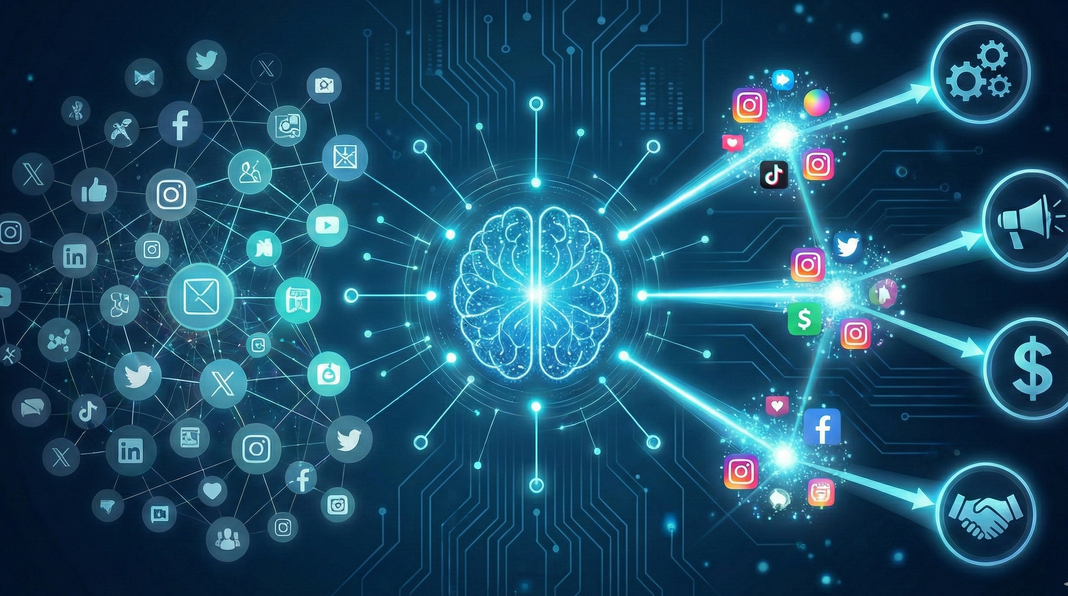
4) Influence moved from “broadcast” to “recommendation engines”
Recommendation systems can turn a small account into a large cultural event - or make a large account irrelevant if it can’t earn retention. That shifts influence toward content that holds attention, triggers sharing, and sparks conversation.
5) News and belief formation are platform-specific
Audiences differ sharply by platform, which changes who gets influenced and how - especially around news, politics, and fast-moving narratives.
Conclusion: popularity is a surface metric - influence is the real story
As we move through 2026, the social landscape is less about one “dominant” network and more about a portfolio of social behaviors. The same person can watch long video, discover trends in short video, follow friends visually, read real-time interpretation in text-first spaces, and make real decisions inside private chats.
That’s why “most popular” no longer equals “most influential.” Popularity tells you who is big. Influence tells you who matters - for the specific outcome you care about.